 The Hype
It has been called the most powerful herb on the planet.
Basically, turmeric has been long hailed for both it’s anti-inflammatory and anti-oxidant capabilities. Suffice it to say that if you suffer from it, turmeric can help!
’Nuff said…

The Science
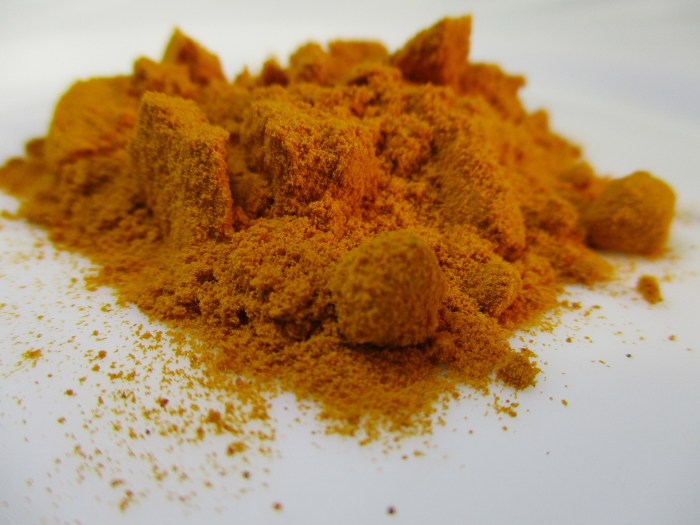
Turmeric is the plant (curcuma longa), and curcumin is the yellow/orange chemical compound inside (which has all the ‘powers’). Curcumin is a polyphenol found in the rhizome of the plant. Hehe…what…? Rhizome is fancy for root. It looks a lot like ginger root from the grocery. Phenols are the pigment component inside the plant, and they are widely known for their anti-oxidant activity. (Remember: oxidation damages cells, anything anti-oxidant can help protect cells from damage). So, curcumin is an antioxidant, which protects cells from damage. This is a good thing.
Turmeric is one of the most widely studied herbs known to man. It has been used both in Traditional Chinese Medicine and Ayurveda (aka Indian medicine) for thousands of years. It has been shown in many, many research studies to play several different roles in our body, all pretty impressive as far as protecting us from disease:
anti-oxidant – protects any cell form oxidative damage.
anti-inflammatory – protection against inflammation.
anti-angoigenic – protecting the heart.
anti-neoplastic, anti-proliferative – protection against cancer cells and/or the reproduction/multiplication of cancer cells.
It seems that the strongest evidence to date is that concerning high-cholesterol and osteoarthritis. It has been shown to lower total cholesterol, LDL cholesterol, and triglycerides (all of which are elevated in the condition known as hyperlipidemia). One study used 1.4 grams per day of turmeric extract and produced significant lipid lowering benefits (1).
It has also been shown to significantly reduce knee pain associated with osteoarthritis (results indicating that it is as effective as ibuprofen for the pain). Two studies used 1 gram per day of turmeric extract to achieve these benefits (2,3).
There is currently an impressive amount of ongoing research looking at curcumin and it’s potential benefits for the following long list of ailments: different types of pain, different types of cancer, effects on the brain and depression/anxiety, alzheimers disease, digestive disorders, diabetes, and kidney disease.
My Two Cents
In my book, anything that has anti-oxidant and/or anti-inflammatory effects is beneficial. Our bodies are always fighting pro-oxidants and pro-inflammatoy stressors; from the air we breathe, our diets, our lifestyles and stress levels, etc. (basically living in today’s world). The more protection we can get from these day-to-day stressors inside our bodies, the better for our overall health.
If you suffer form hyperlipidemia, here is something that has been proven safe and effective and I would see no reason not to give it a try. Typically you can get your blood lipids checked every 6 months, so try it out for 6 months and see if it works for you. If this simple remedy can help manage the condition and help prevent further damage to your cardiovascular system then it seems a worthwhile endeavor. If you suffer form osteoarthritis of the knee, it may help in relieving pain and/or lowering your intake of other anti-inflammatory painkillers.
If I am being honest, I am ready to try it out too, if for no other reason than to give my body one more anti-oxidant agent to fight off stressors inside my body. A word to the wise -as always with supplements and medications- stick to the recommended dosage, either on the supplement bottle or else what is recommended here: 1-2 grams per day, split into 2 doses. And, as always, if something doesn’t feel right after taking it, then stop or lower the dosage. So many people I encounter think that if this is good, then more has got to be better. This is never the case with herbs, supplements, or medications. Keep in mind my mantra of ‘everything in moderation’… too little or too much of any one thing can be a very bad thing.
And – let’s not overlook the fact that it is a common household spice and simply finding more ways to use it in your cooking will be beneficial too! I love curries, and I know it is put in a lot of raw juices I see around town. Keep in mind that this is whole ground turmeric, not the isolated curcumin component used in supplements. (To get the therapeutic benefits of curcumin, discussed above you will need to take curcumin supplements). That said, it is nonetheless a beneficial herb to include in your diet. What are some of the ways you get it in your diet? I would love to know.
References:
1. http://www.iapsmupuk.org/journal/index.php/IJCH/article/view/214/121
2. http://www.altmedrev.com/publications/15/4/337.pdf
3. https://www.ncbi.nlm.nih.gov/pubmed/23242572?dopt=Abstract


Very well written & popular topic for those who want a natural way to help with OA & don’t want to take pain medication.